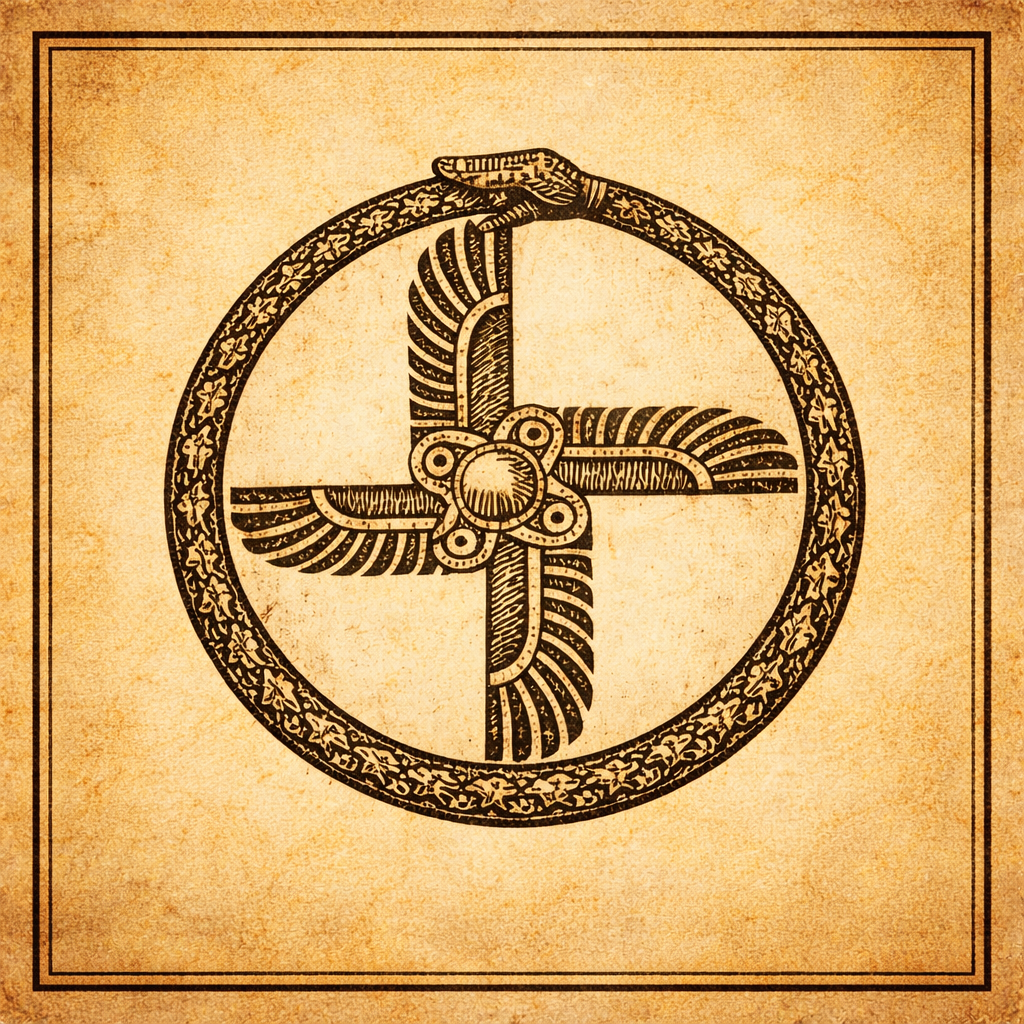
Atlantis — A Forgotten Chapter of Sacred History
Throughout history, thoughtful Christians have often sensed that the story of humanity may be deeper and older than what is commonly expressed within church doctrine. The Scriptures themselves hint that great ages and civilizations existed before the present order of the world, and that vast knowledge was once known and later lost.
One of the most enduring traditions preserved across ancient cultures is the story of Atlantis — a great land said to have existed in the Atlantic Ocean long before the rise of the civilizations we know today.
According to ancient sources, including accounts preserved by Greek philosophers and traditions echoed through Egypt and other ancient lands, Atlantis was remembered as a powerful and enlightened civilization. Its people pursued knowledge of both the natural world and the divine order governing creation. Their temples were not merely places of worship, but centers of learning where the laws of nature, the structure of the cosmos, and the mysteries of the human soul were studied with seriousness and devotion.
In many ways, Atlantis was described as a civilization devoted to the search for Truth, where wisdom, reverence for the Creator, and disciplined living were the foundation of society. The Atlanteans believed that the universe reflected a divine intelligence and that humanity carried the responsibility to live in harmony with that higher order.
Yet the story of Atlantis is also a warning.
Ancient traditions tell that as the civilization grew in power and influence, many of its people gradually turned away from spiritual wisdom and began to pursue wealth, ambition, and dominion over the material world. The balance between knowledge and Personal Responsibility was lost. When wisdom no longer guided power, the civilization began to decline.
Then came a catastrophe remembered across cultures — a great upheaval of the earth and sea that swallowed the land beneath the ocean.
Many scholars have long noticed that this story bears a striking resemblance to the Biblical account of the Flood found in Genesis, suggesting that Atlantis may represent one of the great civilizations that existed before or during those ancient events that reshaped the world.
Fragments of Atlantian knowledge are believed to have survived through those who escaped the destruction, carrying their traditions into early civilizations such as Egypt and the ancient Mediterranean world. In these places, echoes of that wisdom influenced philosophy, sacred symbolism, and the foundations of later spiritual traditions.
The Lesson for the Present Age
Today, the lesson of Atlantis is not merely historical.
The United States represents the New Atlantis.
The Western world — and particularly America — now holds a level of knowledge, power, and global influence unmatched in human history. With this inheritance comes the same responsibility that once rested upon the Atlantean civilization: the duty to preserve wisdom, uphold truth, and maintain spiritual and moral order within society.
Atlantis fell when knowledge advanced faster than character. Power expanded while spiritual discipline declined. The abandonment of Purity, Christhood, Adeptship, and Personal Responsibility led to imbalance — and ultimately to destruction.
The same forces that shape civilizations in every age are present today.
For those who seek a deeper understanding of history, faith, and civilization, the story of Atlantis stands as both a remembrance and a warning. It reminds us that the survival of a civilization does not depend solely on technology, wealth, or military strength.
It depends on the character of its people.
The preservation of the West — its glory, its strength, and its destiny — rests upon individuals who are willing to cultivate wisdom, discipline their lives, and rise toward the higher ideals represented by Christhood and Adeptship.
Atlantis is therefore not only a lost world beneath the sea.
It is a lesson written across the ages — and its meaning speaks directly to the civilization of today.