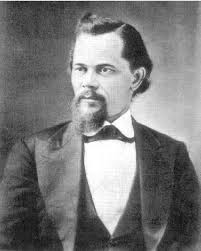
A Voice from the Nineteenth Century
Among the more remarkable spiritual thinkers of the nineteenth century stands Paschal Beverly Randolph, whose writings sought to restore a serious consideration of the invisible world and the destiny of the human soul. In a time when many had begun to doubt the reality of spiritual life beyond the grave, Randolph spoke with conviction concerning the continuity of existence and the laws governing the unseen realm.
His works, particularly those dealing with the nature of the soul and its condition after death, were written not to excite curiosity but to strengthen the moral sense of the reader. Randolph believed that humanity had forgotten the deeper purpose of life: the unfolding of the soul and its preparation for a higher state of being.
The Reality of the Soul World
Randolph taught that the human being is more than a body and brain. Within each person resides a living soul which survives the dissolution of the physical form. Death, in his view, is not extinction but transition. The individual passes from the visible world into a more subtle realm, often called the Soul World, where consciousness continues in another mode.
This world is not distant or unreal. It lies close beside our own and is governed by laws as orderly as those that rule the physical universe. The condition of the soul in that realm is shaped largely by the character developed during earthly life.
Character and Spiritual Progress
One of Randolph’s most consistent teachings was that the soul carries its character with it beyond the grave. No sudden transformation erases the habits of a lifetime. The selfish remain troubled by their selfishness, while those who cultivated sincerity, charity, and self-mastery enter a brighter state of existence.
For this reason Randolph urged his readers to cultivate the inner life while still in the body. Moral discipline, purity of motive, and reverence for truth were not merely virtues of social life; they were the very means by which the soul prepared itself for higher development.
Love as the Power of the Soul
Throughout Randolph’s writings runs a constant theme: the transformative power of love. He believed that genuine affection between human beings is one of the greatest forces for spiritual awakening. Love purifies the heart, harmonizes the mind, and draws the soul nearer to the divine source from which it came.
For Randolph the highest religion was not found in speculation alone but in the cultivation of a noble and loving character. Such a life gradually awakens the deeper faculties of the soul and prepares it for the fuller light awaiting beyond the veil.
Relation to the Inner Teachings of Christ
Although his writings explored subjects often neglected by the churches, Randolph did not oppose the teachings of Christ. On the contrary, he regarded the Gospel as containing the highest law of spiritual development. The kingdom of heaven, he believed, begins within the soul itself.
In this respect Randolph’s message stands in harmony with the deeper current of Christian mysticism: that the life of Christ is not merely to be admired in history but awakened in the heart of the seeker.